
Stretching: Why It Matters and How to Do It Right
Stretching often gets skipped in workout routines, but its benefits go far beyond flexibility. Here’s how to do it the right way, and when.

Stretching often gets skipped in workout routines, but its benefits go far beyond flexibility. Here’s how to do it the right way, and when.

Strength training does more than build muscle — discover how it protects bone health, boosts metabolism, controls blood sugar, and supports independence at any age.

What to eat before and after a workout to fuel performance and recovery — plus the truth about fasted training, hydration, and whether you really need supplements.

How nutritional needs change with age — why protein, calcium, vitamin D, and B12 matter more than ever, plus tips for appetite loss and chewing difficulties.

How nutritional needs shift trimester by trimester during pregnancy — key nutrients like folic acid, iron, and omega-3, plus foods to avoid for a healthy pregnancy.

From protein and iron to healthy fats and fiber, discover the key nutrients children need for growth — plus tips for handling picky eating and sugar intake.

A complete guide to which preventive health screenings matter most in your 20s, 30s, 40s, 50s, and 60+ — so you know what to prioritize at every stage of life.
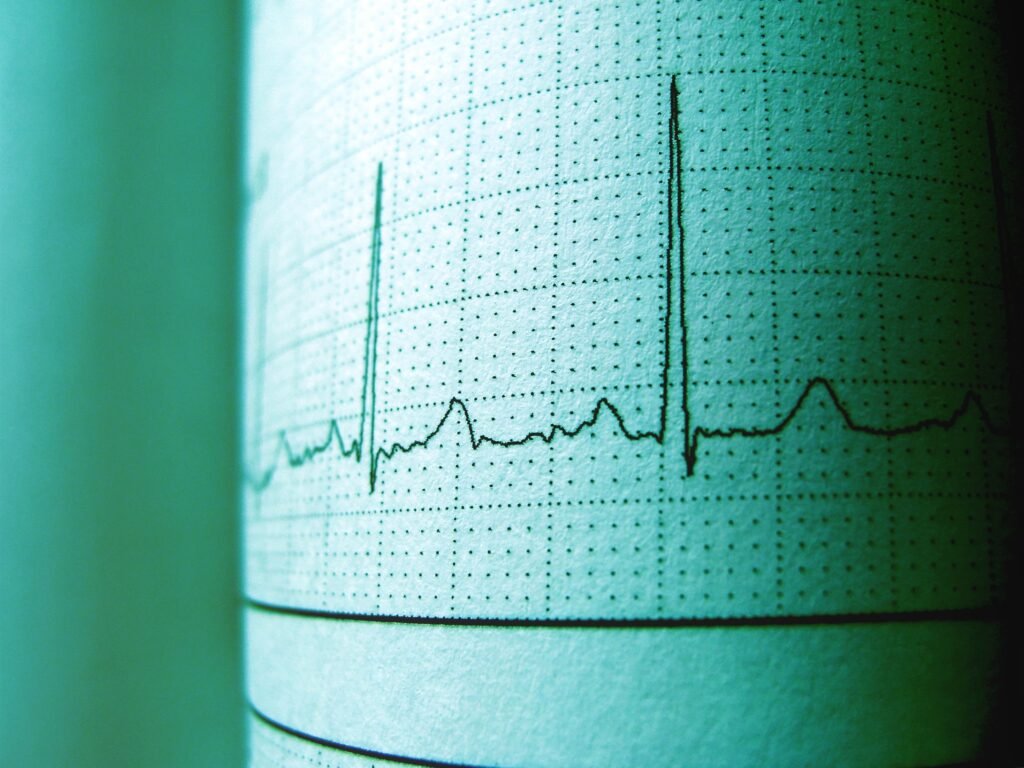
EKG, echocardiogram, stress test, Holter monitor, ABPM — learn what each cardiac test measures and when your doctor might order one, even without symptoms.

Not sure whether you need an ultrasound, X-ray, CT scan, or MRI? Learn how each imaging test works, what it’s best used for, and how doctors decide which one to order.

Blood Tests: What Each One Reveals About Your Health
Few tests are as informative as a simple blood draw. With a single procedure, it’s possible to evaluate how entire organs are functioning, detect nutritional deficiencies, identify cardiovascular risk factors, and even catch diabetes before any symptoms appear. Even so, many people receive their test results and don’t fully understand what those numbers actually mean.
Complete Blood Count (CBC)
The CBC is probably the most commonly ordered blood test in the world. It evaluates three major cell groups: red blood cells, which carry oxygen throughout the body; white blood cells, responsible for immune defense; and platelets, which play a role in clotting. Changes in this test can indicate anything from simple anemia to infections, inflammation, or, in rarer cases, blood disorders that require further investigation.
Blood Glucose and Hemoglobin A1c
Fasting blood glucose measures the amount of sugar circulating in the blood at that specific moment. Hemoglobin A1c (HbA1c), on the other hand, reflects an average of blood glucose levels over the past two to three months, making it more reliable for diagnosing and monitoring diabetes. Together, these two tests are the primary tools for identifying diabetes and prediabetes before more serious symptoms develop.
Lipid Panel (Cholesterol and Triglycerides)
This group of tests measures total cholesterol, LDL (known as “bad cholesterol”), HDL (“good cholesterol”), and triglycerides. Abnormal levels in this panel are directly linked to the risk of heart attack and stroke, which is why it’s typically included in nearly every routine check-up, especially starting at age 40 or earlier if there’s a family history.
Kidney Function (BUN and Creatinine)
Blood urea nitrogen (BUN) and creatinine are substances that the kidneys filter and remove from the blood. When levels rise, it can be a sign that the kidneys aren’t filtering properly — which may have simple causes, like dehydration, or more serious ones, like developing kidney disease.
Liver Function (AST, ALT, and GGT)
These enzymes indicate how well the liver is functioning. Abnormal results can point to anything from excessive alcohol or medication use to conditions like fatty liver disease, which is becoming increasingly common even in people who aren’t overweight.
TSH (Thyroid Function)
TSH is the primary test used to evaluate the thyroid, the gland that regulates metabolism throughout the entire body. Changes in this test can explain symptoms like fatigue, unexplained weight gain or loss, hair loss, and mood changes — thyroid problems are far more common than most people realize, especially in women.
Vitamin D and Vitamin B12
Increasingly requested, these tests assess nutritional deficiencies that affect energy, immunity, bone health, and even mood. Vitamin D deficiency, for example, is extremely common even in tropical countries, usually due to insufficient sun exposure.
How Often to Get These Tests
For healthy adults with no risk factors, an annual check-up with this set of tests is usually sufficient. Those with a family history of diabetes, heart disease, or thyroid conditions, or who already have a previous abnormal result, may need more frequent monitoring, as guided by their doctor.
What to Do With Your Results
Numbers outside the reference range don’t necessarily mean a serious illness — many temporary factors can affect a result. The most important thing is to always bring your test results to a doctor for interpretation within the context of your overall health, rather than trying to self-diagnose by simply comparing your numbers to the reference values printed on the lab report.
This content is for informational purposes only and is not a substitute for professional medical evaluation. Consult a healthcare provider to interpret your results and determine the ideal testing frequency for your case.